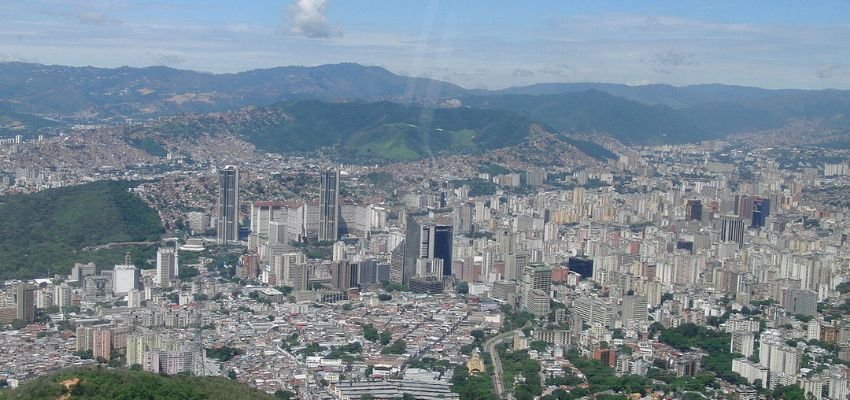
Turkey —a country known for its vast cultural heritage and rich history. A transcontinental treasure that bridges Europe and Asia, it remains one of the most fascinating travel destinations. From the bustling street bazaars of Istanbul and the breathtaking hot air balloon views in Cappadocia to the turquoise coasts of Antalya and the ancient ruins of Ephesus, Turkey draws millions of visitors every year. But as of 2026, the most frequently raised question among tourists is:
Is Turkey Safe to travel right now?
The answer is, Yes- With caution and awareness. While most of the tourist destinations remain welcoming and secure, there are still specific reasons and situations that require vigilance. In this blog, we will explore travel safety in Turkey in 2026, covering all aspects — from political factors and natural hazards to regional risks —and practical safety tips to help you make an informed decision.
An Overview of Turkey’s Current Landscape
In 2026, Turkey is open to tourism and is operating normally in most regions. However, travelers should be aware that Turkey is a large, diverse country, and safety levels vary by location. Here’s the breakdown of what the general situation looks like:
- Western and coastal Turkey (Istanbul, Izmir, Antalya, Bodrum, Cappadocia): Generally, it tends to be safer for tourists due to its distance from the border.
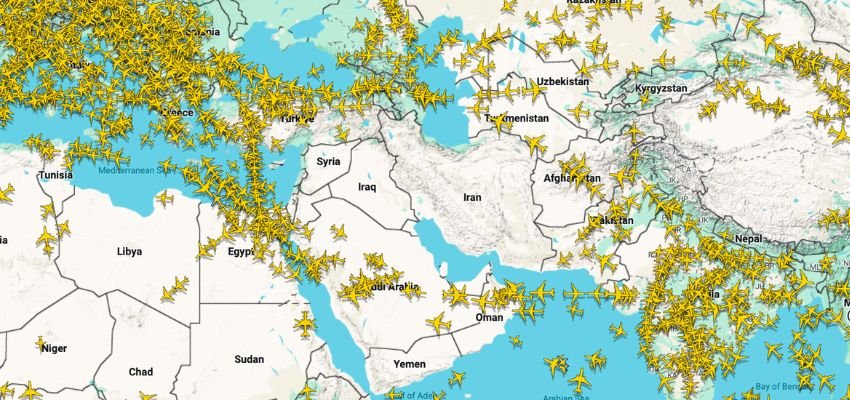
- Southeastern Turkey (near the borders with Syria and Iraq): It can be understood as High-risk areas to avoid due to Terrorism, military activity, and political unrest.
- Major Cities during protests or political events: It is common sense for tourists to avoid crowds and demonstrations, especially in Istanbul and Ankara, given the tragedies that have occurred in 2026.
Let’s get deeper into these factors in more detail:
Political Climate and Civil Unrest in 2026
Political and Civil reasons are the most significant factors raising safety concerns for travelers. Let us give you a clear idea:
Protests and Political Tension
Since early 2026, Turkey has experienced a wave of political protests, particularly following the controversial arrest of Istanbul’s mayor. While these demonstrations are mostly peaceful, they have occasionally turned violent, with heavy police presence, roadblocks, and disruptions to transportation and communications.
It is advisable for Tourists to:
- Avoid Protest areas entirely
- Follow local news and embassy updates.
- Stay in well-known tourist districts, which are typically less affected by the pandemic.
Despite the unrest, major tourist attractions like Hagia Sophia, Topkapi Palace, and the Blue Mosque continue to operate normally and are not near protest zones.
Arbitrary Detentions and Restrictions on Travelling
There have been reports of foreign nationals being detained in isolated incidents, often linked to political activity, social media posts, or visa overstays. While these cases are rare, it’s wise to:
- Avoid political discussions in public.
- Do not photograph government buildings, police, or military.
- Ensure your travel documents and visa are up to date and valid.
Regional Safety: Where to go, Where to Avoid
Things can get complicated, but never impossible! Here’s some quick data on what places you can visit to have the best trip of your life, and the places you should avoid not to let any bitter memories get in the way.
Safe and Popular Tourist Areas
Take a moment to consider the positive aspects of Turkey, so you don’t change your mind.
- Istanbul: The heart of Turkish culture, it remains a top destination and is considered safe for travelers who take standard precautions. Avoid demonstrations and stay alert in crowded areas due to the risk of petty theft.
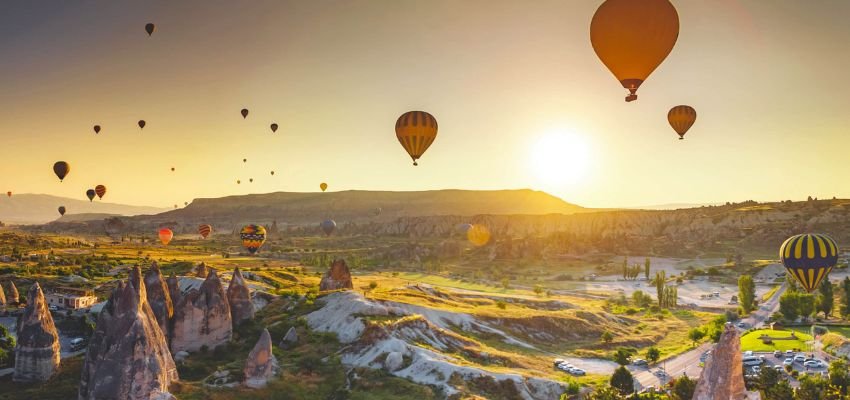
- Cappadocia: The region is peaceful and popular for hot air balloon rides, hiking, and photography. It’s largely rural and unaffected by unrest in other parts of the country.
- Turkish Riviera (Antalya, Bodrum, Fethiye, Marmaris): Coastal resorts are functioning as usual. With tight Security and a massive tourist infrastructure, travellers can enjoy an excellent tour without fear.
- Ephesus and Pamukkale: These historic sites are well-maintained and pose no significant safety concerns beyond usual travel precautions.
High Risk and No-Travel Zones
The only sites that you can avoid are these due to their higher risk frequency and “no-travel” rule.
- Southeastern Turkey
Provinces such as Hakkari, Sirnak, and parts of Gaziantep are considered Level 4: Do not Travel by many foreign governments due to terrorism, conflict, and instability.
- Border areas with Syria and Iraq
Avoid any travel within 10 km of the Syrian border. These areas may experience military activity, airstrikes, or disruptions to refugee movements.
Natural Disasters and Climate Hazards
Knowing the real-time data on climatic conditions before visiting any tourist place is the work of an Intelligent person, that you are!
Earthquakes
Turkey lies on several active fault lines, making it prone to earthquakes. In 2026, two significant tremors occurred. In 2026, two significant tremors occurred:
- April 2026: A magnitude 6.2 earthquake struck near Istanbul, causing moderate damage and injuries.
- August 2026: A magnitude 6.1 quake hit Balıkesir province, killing one and injuring dozens.
These incidents did not significantly impact tourist areas, but travelers should:
- Be familiar with earthquake safety protocols.
- Choose accommodations that follow modern seismic building standards.
Wildfires and Heatwaves
Summer 2026 saw severe wildfires, too, particularly in the İzmir and Bursa regions. Over 50,000 people were evacuated, and smoke disrupted air travel.
To stay safe:
- Monitor local weather and wildfire alerts.
- Avoid travel to forested regions during high-risk months, i.e., from July to September.
- Stay hydrated and be cautious during heatwaves, which can be extreme in inland areas.
Final verdict: Is it Safe to travel to Turkey in 2026?
Yes!- With Precautions.
Turkey will always remain a captivating and culturally rich destination for travelers. The majority of tourist areas, including Istanbul, Cappadocia, Antalya, and Ephesus, are safe, welcoming, and operating normally.
However, one should:
- Avoid Southeastern border regions.
- Stay away from protests or large political gatherings.
- Stay updated on natural disaster risks.
- Exercise usual caution against scams and petty theft.
With proper planning, situational awareness, and a flexible itinerary, Turkey in 2026 can be a safe and unforgettable travel experience.
Concluding That
Like any other travel destination, safety in Turkey is not about perfection; it’s preparation. By respecting the culture, following local news, and embracing the vibrant hospitality for which Turkey is famous, one can experience a breathtaking travel story for a lifetime! Whether you are wandering the cobbled streets of Istanbul, sipping tea by the Bosphorus, or exploring ancient ruins under the Aegean sun, a well-planned trip to Turkey in 2026 can be both safe and spectacular.
Related Queries
Yes, the popular areas of Turkey are safe to visit. Still, it is a crucial step to stay informed as some government advisories recommend exercising increased caution, particularly in the border-sharing regions near Syria and Iraq, due to the terrorist threats and regional conflicts.
Yes, it is a shared place for solo female travelers, and a positive response as always, got to see. But as a smart and secure person, it is beneficial to use standard safety precautions, follow dress code rules, and understand the country’s culture.
For foreign tourists, Turkey is often regarded as an affordable vacation destination that offers exceptional value, particularly for local transportation, accommodations, and cuisine.
Israel and Iran are still at odds in the region, but traveling to Istanbul and Turkey is still reasonably secure.
The cost of a 7-day trip to Turkey can range from $500 to $1,200, depending on the budget, travel style, departure city, and season.
The Conflict in Syria is not affecting Cappadocia or other areas beyond those near the border.